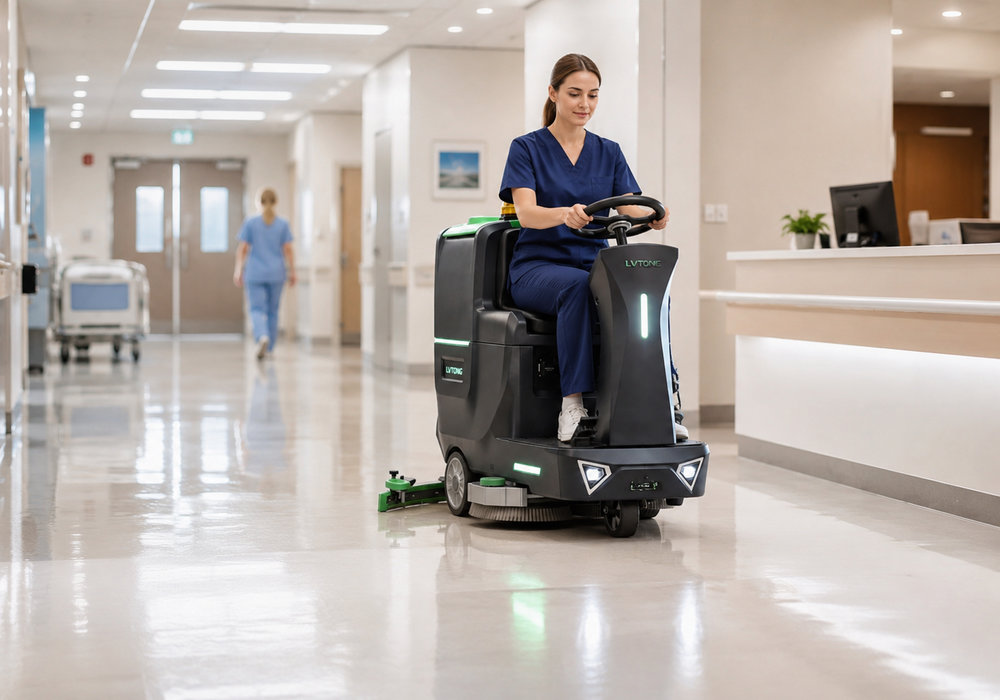
Ride-on sweepers can reduce manual cleaning time by 50–70% in large facilities when properly maintained, but poor maintenance may increase downtime by 30% or more. A structured service schedule covering brushes, filters, batteries, motors, and safety systems helps maintain stable performance. Regular inspections every 50–100 operating hours, combined with operator checks and spare part planning, can extend machine lifespan and keep cleaning efficiency consistent.
Ride-on sweepers are widely used in warehouses, airports, parking areas, manufacturing facilities, and commercial buildings because they cover large floor areas with less labor. However, daily operation exposes the machine to dust, moisture, vibration, and continuous mechanical wear. A unit working 6–8 hours per day may accumulate more than 2,000 operating hours annually, making maintenance frequency an important factor in equipment availability.
The sweeping system requires frequent attention because brushes directly contact debris during every cleaning cycle. Main brushes and side brushes gradually lose bristle length and stiffness, which reduces debris collection performance. When brush wear reaches approximately 30–40% of the original height, cleaning coverage may decrease noticeably, especially on uneven surfaces.
“Brush inspection before each shift takes less than 5 minutes but can prevent weeks of reduced cleaning performance caused by excessive wear.”
A practical brush maintenance process includes:
| Component | Inspection frequency | Common issue |
|---|---|---|
| Main brush | Every 50–100 hours | Reduced debris pickup |
| Side brush | Every 25–50 hours | Uneven edge cleaning |
| Brush adjustment system | Monthly | Incorrect contact pressure |
Proper adjustment is also important because excessive brush pressure increases friction and accelerates wear. A brush operating under unnecessary pressure may require replacement up to 20% earlier compared with a correctly adjusted system.
Brush condition affects the dust collection system because debris must move efficiently from the floor into the hopper. Once debris enters the collection path, airflow performance determines whether fine particles remain inside the machine or return to the working environment.
Filters are among the most frequently serviced parts in ride-on sweepers. Dust accumulation increases airflow resistance and reduces suction performance. In industrial environments with high dust levels, filters may require inspection every 25–50 operating hours, while cleaner indoor locations may allow longer intervals.
A clogged filter can increase motor strain and reduce cleaning efficiency by approximately 15–25%. Operators should inspect filter surfaces, remove accumulated dust according to manufacturer instructions, and replace damaged filter materials immediately.
“A clean filter helps maintain stable airflow, protects the vacuum motor, and reduces unnecessary energy consumption.”
Maintenance requirements vary depending on the working environment:
-
Warehouses: lower dust exposure, routine weekly inspection is usually sufficient.
-
Manufacturing areas: frequent dust removal and filter checks are required.
-
Outdoor cleaning sites: daily inspection is recommended because moisture and debris increase wear.
Battery maintenance is another major part of preventing downtime for electric ride-on sweepers. Many commercial models use lead-acid or lithium battery systems, and each type requires different care procedures. Battery condition directly affects operating time, charging frequency, and machine availability.
Lead-acid batteries require regular checks of terminals, electrolyte levels, and charging habits. Lithium batteries require monitoring of charging cycles, temperature conditions, and battery management system alerts. Poor charging practices can reduce battery lifespan by 20–30%.
For machines operating multiple shifts, battery inspection should include:
-
Checking remaining capacity before operation.
-
Confirming charger function.
-
Cleaning corrosion from terminals.
-
Recording unusual reductions in runtime.
-
Reviewing charging history.
A battery that normally provides 6 hours of operation but drops to 4.5 hours may indicate early capacity loss and should be inspected before unexpected shutdown occurs.
Power reliability also depends on electrical connections and control systems. Modern ride-on sweepers often include sensors, control boards, display panels, and safety switches. Loose connectors or damaged wiring can interrupt operation even when mechanical components remain functional.
Regular electrical checks should include connector condition, warning indicators, emergency stop functions, and control panel response. Machines produced after 2020 often include more electronic monitoring systems, making accurate inspection records more important than before.
Mechanical components require scheduled lubrication and inspection because ride-on sweepers experience continuous vibration and movement. Drive motors, wheels, bearings, belts, and steering systems gradually wear during operation.
A maintenance record should include:
| Part | Recommended check |
|---|---|
| Drive wheels | Tire condition and traction |
| Bearings | Noise and rotation smoothness |
| Belts | Tension and surface wear |
| Hydraulic parts | Fluid level and leakage |
Ignoring small mechanical issues may increase repair time. For example, a worn bearing detected during a routine inspection can usually be replaced during planned maintenance, while a failed bearing may require longer downtime and additional component replacement.
Operator practices strongly influence machine condition. Incorrect use, such as driving at excessive speed, ignoring warning lights, or operating with an overloaded hopper, can increase wear rates. Training programs introduced in many commercial facilities have shown that regular operator education can reduce avoidable equipment problems by around 20%.
Daily operator checks should remain simple and consistent:
-
Confirm battery status.
-
Inspect brushes and filters.
-
Empty the debris hopper.
-
Check unusual sounds or vibration.
-
Report performance changes.
These checks create useful maintenance records that help technicians identify repeated problems. Service history also allows companies to schedule repairs during low-demand periods instead of stopping cleaning operations unexpectedly.
Professional maintenance support can improve service efficiency when internal teams need technical assistance. Companies using specialized service providers can access repair guidance, replacement recommendations, and equipment inspection support. For additional service information, businesses can refer to LVTONG technical support.
Spare part management also affects downtime prevention. Frequently replaced components such as brushes, filters, belts, and battery accessories should be available before failure occurs. Facilities operating several machines usually benefit from keeping commonly used parts in stock because waiting for delivery may extend equipment downtime.
Environmental conditions should also be considered when planning maintenance intervals. A sweeper used in a dry warehouse may require less frequent cleaning than one operating near construction areas or outdoor loading zones. Temperature also affects battery performance, especially during cold seasons when available capacity may decrease.
A complete maintenance schedule should combine daily inspections, weekly cleaning, monthly mechanical checks, and periodic professional servicing. Many manufacturers recommend reviewing machine condition after every 500 operating hours and performing more detailed inspections around the 1,000-hour mark.
“Preventive maintenance works best when inspection records, operator feedback, and scheduled servicing are managed together.”
Ride-on sweepers are long-term equipment investments, and their performance depends on consistent care. Maintaining brushes, filters, batteries, electrical systems, and mechanical parts helps reduce unexpected stoppages and keeps cleaning operations stable. A maintenance plan based on operating hours, environment, and equipment condition allows facilities to achieve longer service periods and more predictable daily performance.