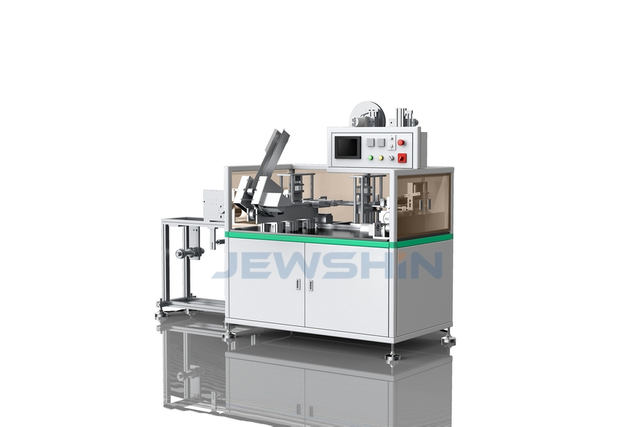
An advanced packaging machinery manufacturer improves line efficiency by combining automation, precision control, intelligent monitoring, and flexible production design. Modern packaging systems can reduce changeover time by 50–70%, decrease unexpected downtime by 20–50%, and increase overall equipment effectiveness (OEE) beyond 85% in many industrial applications.
Packaging line efficiency depends on how well each stage works together, including feeding, filling, sealing, inspection, labeling, and material handling. A packaging machine operating at high speed cannot achieve stable output if upstream supply or downstream handling creates delays.
Manufacturers now focus on complete production systems instead of individual machines. According to industrial automation reports, factories using integrated packaging solutions after 2020 have improved production consistency by 15–30% through better synchronization between equipment and control software.
A packaging line with automated coordination can maintain stable production speed while reducing manual adjustment requirements and quality variation.
Automation technology has become one of the main methods for improving packaging performance. Modern machines use PLC controllers, servo motors, and industrial communication systems to coordinate movement between different modules.
Servo systems provide faster response and higher positioning accuracy compared with traditional mechanical drives. In high-speed packaging applications, servo-controlled equipment can reduce positioning errors by around 30% and maintain stable operation during continuous production cycles.
The improvement of machine control also reduces setup time. Older packaging equipment often requires operators to manually adjust mechanical parts when changing products, while newer systems allow parameter changes through digital interfaces.
For example, a food manufacturer producing multiple package sizes may reduce format change time from 45 minutes to less than 10 minutes by using stored production settings and automatic adjustment functions.
Reduced downtime is another area where advanced packaging machinery improves factory performance. Production interruptions caused by equipment failure can significantly reduce output, especially in industries running 24-hour operations.
Modern machines include sensors that monitor temperature, vibration, motor status, air pressure, and production speed. These systems collect operating information and help maintenance teams identify abnormal conditions earlier.
A 2021 industrial maintenance study showed that manufacturers using predictive maintenance methods reduced unexpected equipment downtime by approximately 20–40% compared with companies relying mainly on scheduled maintenance.
Reliable packaging equipment is designed not only for faster production but also for longer operating periods between service intervals.
Machine flexibility has become more important as companies manage more product variations and shorter production cycles. Packaging equipment must handle different sizes, materials, and package designs without requiring long manual adjustments.
A professional automatic packaging machine supplier usually provides machines with modular structures, adjustable components, and software-based settings to support different production requirements.
Modern packaging systems can store hundreds of product recipes, including filling volume, sealing temperature, conveyor speed, and labeling parameters. In many cases, automated changeover systems reduce preparation time by more than 60% compared with manual adjustment processes.
The improvement of flexibility also helps manufacturers reduce unnecessary equipment replacement. A machine designed for multiple packaging formats can support production changes for several years without major reconstruction.
Material handling systems also influence the efficiency of packaging lines. Problems in product feeding, transportation, or positioning can reduce the performance of the entire production process.
Advanced packaging machinery manufacturers integrate automatic feeders, robotic loading units, and intelligent conveyor systems to maintain a stable material supply. These technologies reduce manual handling and improve product placement accuracy.
A robotic packaging cell can increase labor productivity by 40–70% in suitable applications while maintaining consistent movement accuracy during long production periods.
Quality inspection has become another important part of modern packaging systems. Manual inspection methods may not detect every defect during high-speed production, especially when machines process hundreds of products per minute.
Packaging equipment now integrates camera inspection, barcode verification, weight checking, and automatic rejection systems. Machine vision solutions can identify incorrect labels, damaged seals, missing components, and printing problems with accuracy rates above 99% in many industrial environments.
| Inspection Technology | Typical Function | Production Improvement |
|---|---|---|
| Vision inspection | Detect packaging defects | Reduces manual inspection needs |
| Weight checking | Verify filling accuracy | Lowers material waste |
| Barcode verification | Confirm product information | Improves traceability |
| Automatic rejection | Remove defective items | Maintains continuous operation |
Energy consumption has also become an important consideration in packaging equipment selection. Rising electricity costs have encouraged manufacturers to develop machines with improved motor efficiency and optimized operating processes.
Modern packaging systems use variable frequency drives, efficient heating systems, and automatic standby modes to reduce energy use. Some production facilities reported energy reductions of 15–30% after replacing older equipment with newer automated packaging machines.
The reduction of energy consumption also supports sustainability goals. Lower power usage combined with reduced material waste helps manufacturers improve production efficiency while meeting environmental requirements.
Digital connectivity has expanded the capabilities of packaging machinery after the growth of Industry 4.0 technologies. Connected equipment can exchange information with factory management systems and provide real-time production data.
Manufacturers can monitor output quantity, machine speed, downtime causes, and maintenance requirements through centralized software platforms. A connected packaging line allows production teams to adjust schedules and improve resource planning based on actual operating data.
A 2023 manufacturing survey involving more than 500 industrial companies found that factories adopting connected production systems achieved efficiency improvements of approximately 10–25% depending on production complexity.
Data collection allows packaging equipment to move from simple operation monitoring toward continuous production improvement.
The design of packaging machinery also affects long-term efficiency. Equipment built with easy-access components, standardized parts, and user-friendly interfaces reduces maintenance time and simplifies operator training.
Manufacturers increasingly consider ergonomics during machine development. Better access to adjustment areas and clearer control interfaces help operators complete daily tasks faster and reduce setup mistakes.
Training requirements can also be reduced when machines include touchscreen controls, automated parameter guidance, and remote technical support functions. Some manufacturers report that operator training periods can decrease by around 30% with improved machine interfaces.
Packaging industries such as food, pharmaceuticals, cosmetics, and consumer goods continue increasing their requirements for speed, accuracy, and flexibility. A machine that performs well under one production condition may not meet future requirements if it lacks adjustment capability.
Advanced packaging machinery manufacturers therefore focus on scalable designs that allow additional modules, inspection systems, or automation components to be added later.
A packaging line upgraded with additional automation modules can often increase production capacity by 20–50% without replacing the entire system.
The development of advanced packaging equipment has changed how manufacturers manage production efficiency. Automation, intelligent control, flexible design, quality inspection, and digital monitoring work together to create packaging lines with higher output stability and lower operating costs.
Companies investing in modern packaging solutions are better prepared for changing product requirements, higher production standards, and increasing demand for reliable manufacturing performance.